


FaceTone: Face Fitness & Yoga
0.00.00 Reviews
App Specs
- Version
- 1.1.40
- Updated On
- License
- Free
- Downloads
- 10,000+
- Developer
- Takeclass Holding Ltd.
- Categories
- Beauty
- Platform
- Android
Screenshots
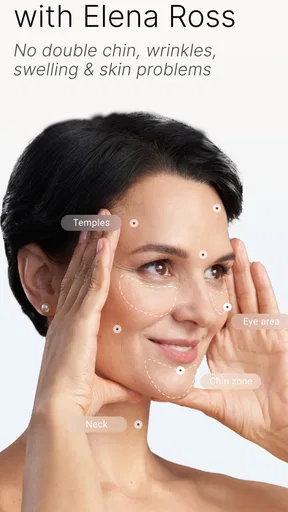
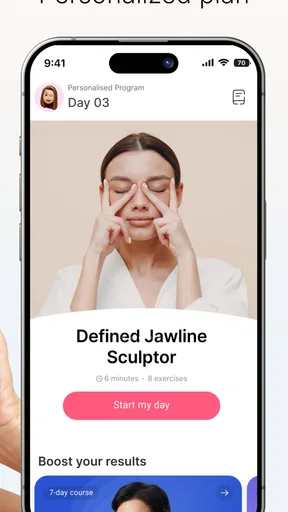
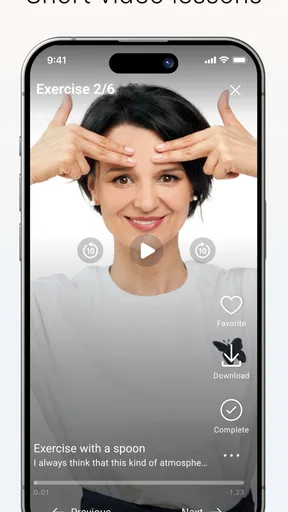
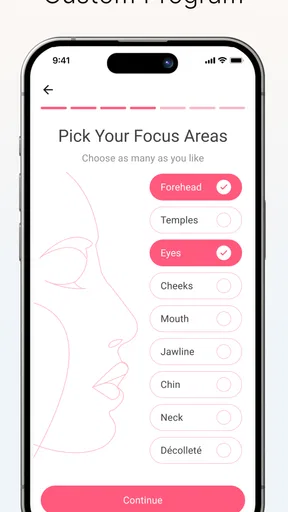
 Analysis by AppCompare
I approached FaceTone as a small daily beauty companion rather than a replacement for a dermatologist, trainer, or full skincare routine. Its focus is face yoga and beauty care, which makes the app most appealing to someone who wants a guided moment of facial movement without building a routine from scattered videos. After spending time with it, my strongest impression is that its value depends less on dramatic promises and more on whether you can make the exercises fit naturally into your day.
The app is free to install, with optional in-app purchases ranging from $9.99 to $99.99 per item. That makes the first step relatively easy: you can see whether the style suits you before deciding whether paid content is worthwhile. It is published by Takeclass Holding Ltd., has an Everyone age rating, and runs on Android 7.0 or later. The current version is 1.1.40, while the app itself was released on May 16, 2024.
Getting past the points where a routine can stall
The first difficulty with a face-exercise app is rarely the exercise itself. It is usually the moment when a user opens the app while busy, looks for a clear starting point, and is unsure whether to begin immediately or explore first. FaceTone works best when I treat it as a short appointment with myself. If I open it without deciding what I want from the session, browsing can become more tempting than actually doing the routine.
I recommend starting with one simple goal, such as relaxing the face after a long screen session or creating a repeatable morning habit. That approach is more useful than expecting a single session to change how your face looks. Facial movement may help some people become more aware of tension and posture, but it should not be treated as a guaranteed solution for wrinkles, swelling, pain, or a medical condition.
Another common sticking point is technique. Facial exercises are subtle, so it is easy to overdo them by pulling the skin, tightening the jaw, or holding the breath. I found that a light touch and relaxed shoulders make the routine feel more sustainable. If an instruction causes discomfort, I would stop rather than trying to force the movement. A beauty app should support a calm habit, not turn the face into another area for intense training.
The app is also easier to judge when I separate its convenience from its results. Its practical strength is bringing a focused routine into one place. Its limitation is that an app cannot see every detail of my posture, skin sensitivity, dental history, or facial pain. That distinction matters for anyone hoping to use it for a specific concern rather than general self-care.
What I check before starting
Before beginning, I make sure I have a few quiet minutes and enough light to see my face comfortably. A mirror is helpful even when the app provides guidance, because it lets me notice whether I am lifting one side more than the other or clenching my jaw. I also wash my hands and avoid starting immediately after applying a product that makes my skin feel irritated or slippery.
Worth Reading Before You Choose

EA SPORTS FC Mobile 26 Is a Bigger Football Game, but It Takes Time

Flipboard Shows What News Apps Must Do Beyond the Feed

Switching to Android Auto Means Rethinking Your Driving Routine

Google Calendar Makes a Crowded Week Easier to Manage

Ludo King Makes the Most of the Minutes Between Plans

Baby Panda World Brings Quick Play to Modern Phones, but Its Game Library Feels Busy
My most useful setup habit is to keep the first session deliberately modest. I do not try to sample every available routine. Instead, I choose one session, learn its rhythm, and decide afterward whether it fits my schedule. This prevents the familiar problem of downloading a wellness app, exploring every screen, and never forming a habit.
It is worth checking the device itself as well. Since the app supports Android 7.0 and later, an older compatible phone may still run it, but performance can depend on the phone’s available storage, memory, and general condition. If screens load slowly or the app closes, I first restart the phone, close other demanding apps, and make sure the operating system is functioning normally. Those are sensible first checks before blaming the exercise app.
I also pay attention to the difference between the free experience and any purchase prompt. The app can be installed without an upfront charge, but optional items are available at different prices. I would read each purchase screen carefully, confirm what is being offered, and avoid tapping through quickly simply because I want to reach the next routine. This is especially important if more than one person uses the same device.
A routine that survives a busy day
The most realistic use case for me is a short break between tasks. After working at a screen, I can sit upright, loosen my shoulders, and follow a facial routine instead of opening another social feed. The benefit in that moment is not a promised visual transformation; it is the interruption of a sedentary pattern and the reminder to release tension.
Morning use can work too, but I would not make it so ambitious that missing one day feels like failure. A better plan is to attach the app to something already consistent, such as preparing for the day or taking a break after washing up. If I have only a minute, I would rather complete a small, comfortable portion than postpone the habit until I have an unrealistic block of free time.
For evening use, I keep the pressure low. Facial exercises should not become a reason to inspect every line in the mirror. I find the app more positive when I use it as a relaxation cue and less useful when I use it to search for instant proof that my appearance has changed.
Recovering when a session does not go smoothly
If a routine is interrupted, I do not assume that I have lost all progress. I return to the app, choose the same routine if it is easy to find, and continue with a shorter session. Repeating the setup is often more effective than spending several minutes trying to reconstruct the exact point where I stopped.
When the app behaves unexpectedly, I use a simple recovery order. I check the phone’s connection if the screen appears to depend on loading, close and reopen the app, restart the device, and then check whether the app is updated through the normal app store process. I also make sure the phone is not nearly full, because limited storage can create problems across many apps, not just this one.
If the issue happens only once, I treat it as a temporary interruption. If it happens repeatedly, I note exactly what was happening: whether the problem appeared at launch, while changing routines, during playback, or around a purchase screen. That detail is more useful than simply saying that the app is broken. It can also help distinguish a device problem from an app-specific one.
I would be cautious about repeatedly clearing app data or reinstalling without thinking first. Those steps can remove local settings or make me repeat the setup, and they do not automatically solve a weak connection, an outdated phone, or an account-related issue. I start with the least disruptive checks and only move further when the problem is consistent.
When FaceTone is not the real cause
Not every disappointing result points to the app. If my face feels tight after a session, the cause may be using too much force, making exaggerated expressions, or beginning with already irritated skin. I stop, return to a neutral expression, and avoid continuing through pain. Persistent discomfort, unusual swelling, numbness, or a change linked to a medical or dental issue deserves professional advice rather than more app sessions.
The same applies to expectations. FaceTone cannot replace treatment for acne, rosacea, facial nerve symptoms, jaw disorders, or significant skin concerns. It also cannot compensate for poor sleep, dehydration, sun exposure, or a skincare product that is causing irritation. In those situations, a qualified clinician or a carefully chosen skincare routine is a better next step.
Camera and display conditions can also affect how a user judges progress. Different lighting, angles, expressions, and phone screens can make the face appear different from one session to the next. I would not use daily selfies as a strict measurement system. If I want to evaluate whether the routine feels helpful, I pay more attention to comfort, consistency, and whether I am carrying less tension than before.
This is where FaceTone differs from several usual alternatives. Video platforms offer a wider range of instructors and routines, but they can be harder to filter and easier to abandon. A written routine gives more control but requires me to manage timing and technique myself. A professional facial or consultation offers personal feedback, but it costs more and is not as convenient for an everyday pause. FaceTone sits in the middle: more structured than searching randomly, less personalized than working with a professional.
Who will get the most from it
I think the app is a good match for beginners who want a gentle entry into face yoga and prefer having guidance gathered in a dedicated beauty app. It also suits people who enjoy short wellness routines and are willing to repeat them patiently. The free starting point helps reduce the risk of committing immediately to a paid program, although I would still review every optional purchase before confirming it.
It may be particularly useful for someone who already takes regular screen breaks but wants a more intentional activity during them. The key advantage is not that it turns a few minutes into a miracle treatment. It gives those minutes a shape, which can make a small habit easier to remember and repeat.
I would skip it if I want clinical skincare advice, individualized correction of facial asymmetry, or guaranteed anti-aging results. I would also look elsewhere if I dislike guided routines, prefer completely free content, or need detailed feedback on every movement. In those cases, a dermatologist, physiotherapist, qualified facial specialist, or a carefully selected educational video may be a better fit depending on the goal.
My practical verdict after using it
FaceTone: Face Fitness & Yoga is most convincing when I use it as a low-pressure routine builder. The app’s beauty focus is clear, and its free installation makes experimentation straightforward. Its real test is whether the guidance helps me pause, relax my face, and return consistently without turning appearance into a source of stress.
The paid options deserve a deliberate decision rather than an automatic upgrade. I would first establish whether I enjoy the available approach, whether the sessions fit my day, and whether the app runs reliably on my phone. If those basics work, extra content may make sense for someone who wants more variety. If not, paying more will not solve a routine that never becomes part of daily life.
My advice is to begin with a comfortable session, use a mirror when learning unfamiliar movements, keep pressure light, and judge the experience over repeated use rather than one glance afterward. With that mindset, FaceTone can be a convenient addition to a personal wellness routine. It is not a substitute for professional care, but for an Android user seeking an accessible face-yoga starting point, I find it practical enough to try.
The best reason to use it is consistency, not instant transformation. If that sounds like the kind of goal you can genuinely maintain, this app is worth exploring. If you need diagnosis, treatment, or highly personalized coaching, I would choose a more specialized option instead.
One practical way to test whether it earns a place in your day is to set a simple trial rule for yourself: use the same comfortable moment, such as the pause after closing your laptop, and notice whether opening the app feels easier over time. I would judge success by whether the routine becomes less of a decision, not by taking repeated photos or searching for a visible change after each session. That makes the trial more useful and less likely to turn beauty care into another source of pressure.
Making a fair decision about paid content
The free installation is a low-risk way to see whether the app’s approach suits you, but “free to start” is not the same as knowing what every paid item contains. Before purchasing, I would look for the exact content or access period described on the purchase screen and check whether it matches a need I have identified. The listed range runs from $9.99 to $99.99 per item, so I would treat each option as a separate decision rather than assuming that a higher-priced choice is automatically better value.
If the free experience already gives me a routine I can repeat, I would wait before spending. If I keep returning and can point to a clear reason for wanting additional material, the purchase may be easier to justify. Someone who simply wants occasional guidance may get enough from a free starting point; someone seeking a substantial library or more variety should compare the actual offer with the amount of use they expect to get from it.
Small choices that make the routine more useful
I would also avoid trying a new movement for the first time while rushing out the door or sitting in a position that leaves my neck bent toward the phone. Setting the screen at a comfortable height and taking a neutral breath before following along can make it easier to notice jaw tension. This is a practical adjustment, not a feature of the app, but it helps me separate the guidance from strain caused by my setup.
For anyone sharing a phone, purchase confirmation deserves a little extra attention. I would make sure the person using the app knows that optional purchases are available and avoid leaving a payment decision to a quick tap during a session. That small bit of care matters more than choosing a routine in a hurry, particularly when the app is installed on a family device.
Overall, I see FaceTone as a focused companion for people who want a guided face-yoga habit and are comfortable keeping expectations modest. It is less suitable when the real need is diagnosis, tailored coaching, or a completely free long-term resource. For me, the most sensible choice is to try the free entry point first, use it in a repeatable everyday slot, and pay only if a specific paid option clearly adds something I will use.
Pros
- Short guided routines are easy to fit into a busy daily schedule.
- Progress tracking can encourage consistency with regular facial exercises.
- Suitable for beginners with simple
- follow-along instructions.
- Yoga-inspired sessions offer a relaxing alternative to intense workouts.
- Can be used privately at home without any special equipment.
Cons
- Many useful routines may require a premium subscription.
- Results can vary significantly between users and are not guaranteed.
- Some exercises may feel repetitive after extended use.
- Facial exercise benefits are not strongly supported by clinical evidence.
- Regular practice is needed
- which may be difficult for casual users.
FAQs for FaceTone: Face Fitness & Yoga
What is FaceTone: Face Fitness & Yoga, and how does it work?
FaceTone: Face Fitness & Yoga is a wellness app focused on facial exercises, massage techniques, and yoga-inspired routines. After reviewing its guided sessions, the app appears designed to help users build a consistent self-care habit through short, step-by-step activities. Exercises generally target areas such as the cheeks, jawline, forehead, and neck, although results can vary significantly from person to person.
Can FaceTone really reduce wrinkles or improve the shape of my face?
FaceTone may help users become more aware of facial muscles, relax areas affected by tension, and maintain a regular facial massage or exercise routine. However, it should not be considered a guaranteed treatment for wrinkles, sagging skin, or changes in facial structure. The app provides wellness guidance rather than medical or cosmetic procedures, and visible results depend on factors such as age, skin condition, consistency, and overall lifestyle.
Is FaceTone: Face Fitness & Yoga suitable for beginners?
Yes, FaceTone is generally suitable for beginners because its routines are presented as guided exercises rather than requiring previous yoga or fitness experience. New users can start with shorter sessions and gradually become familiar with the movements. It is important to follow the instructions carefully, avoid excessive pressure, and stop if any exercise causes pain, dizziness, skin irritation, or unusual discomfort.
Does FaceTone require a subscription or include in-app purchases?
FaceTone may offer a combination of free content and premium features, such as additional routines, personalized plans, progress tools, or expanded access to the exercise library. Availability and pricing can change depending on the platform, region, and current promotion. Before starting a trial or subscription, users should review the payment terms, renewal conditions, and cancellation instructions shown in the Google Play Store or Apple App Store.
Are there any safety concerns when using FaceTone?
Facial exercises are usually low impact, but they are not appropriate for everyone in every situation. Users with recent facial surgery, significant skin conditions, jaw problems, facial pain, nerve issues, or other medical concerns should consult a qualified professional before following the routines. Avoid performing exercises over irritated skin and do not force facial movements. FaceTone should complement, not replace, professional medical or dermatological advice.


